May in Motion: Growth, Grit, & Green Shoots
April Recap: Planting the Future, Rooting the Vision
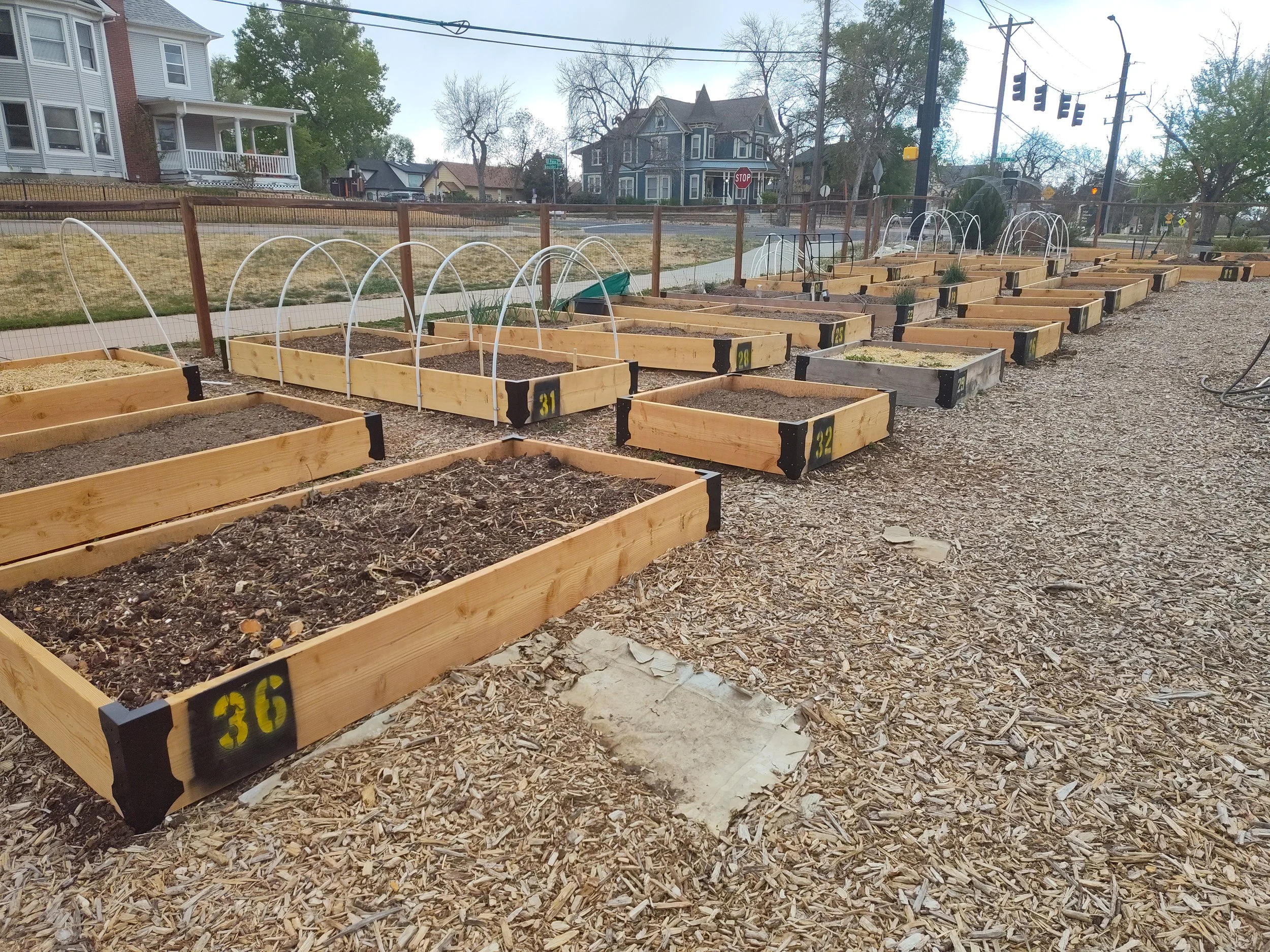
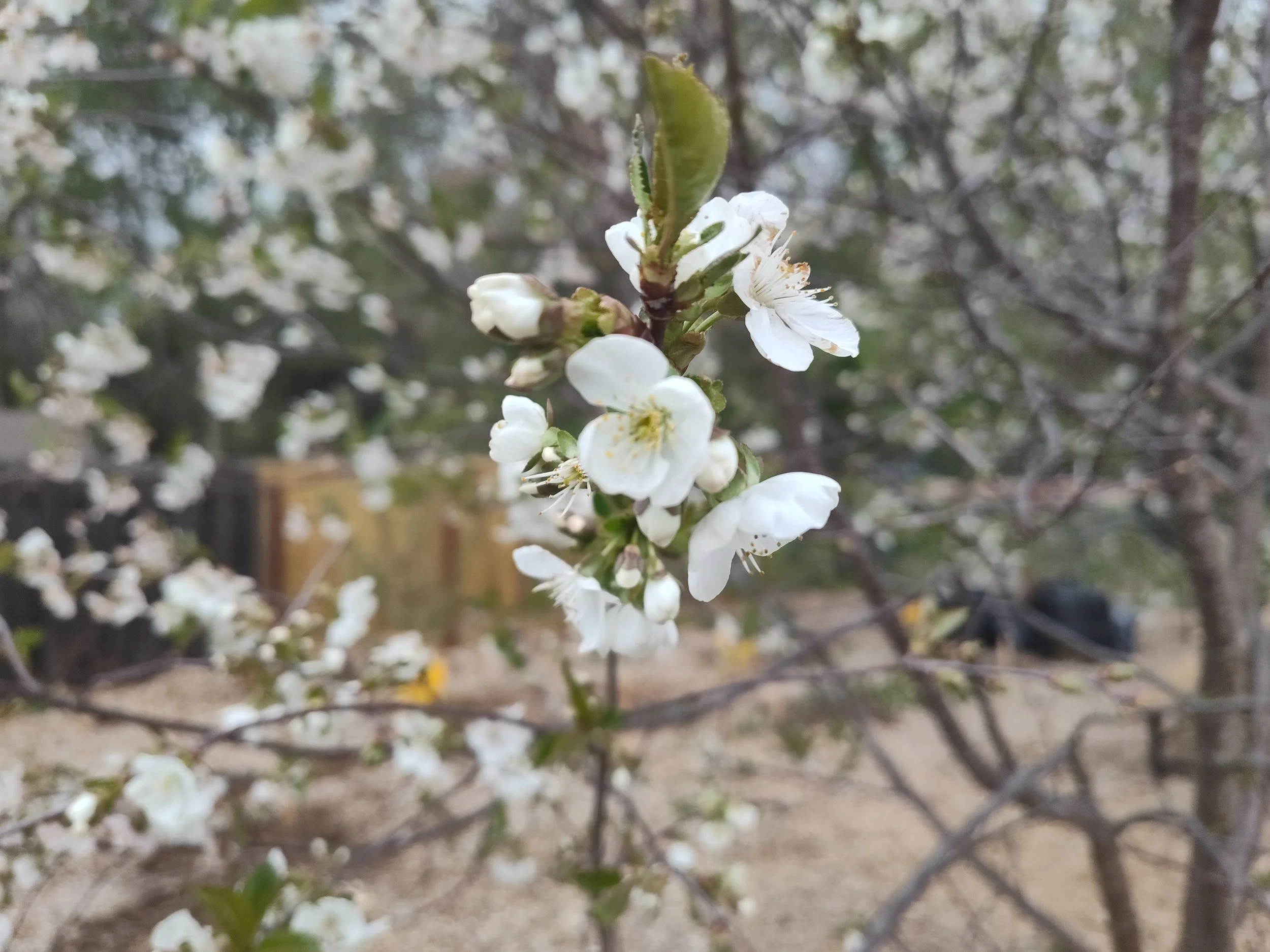
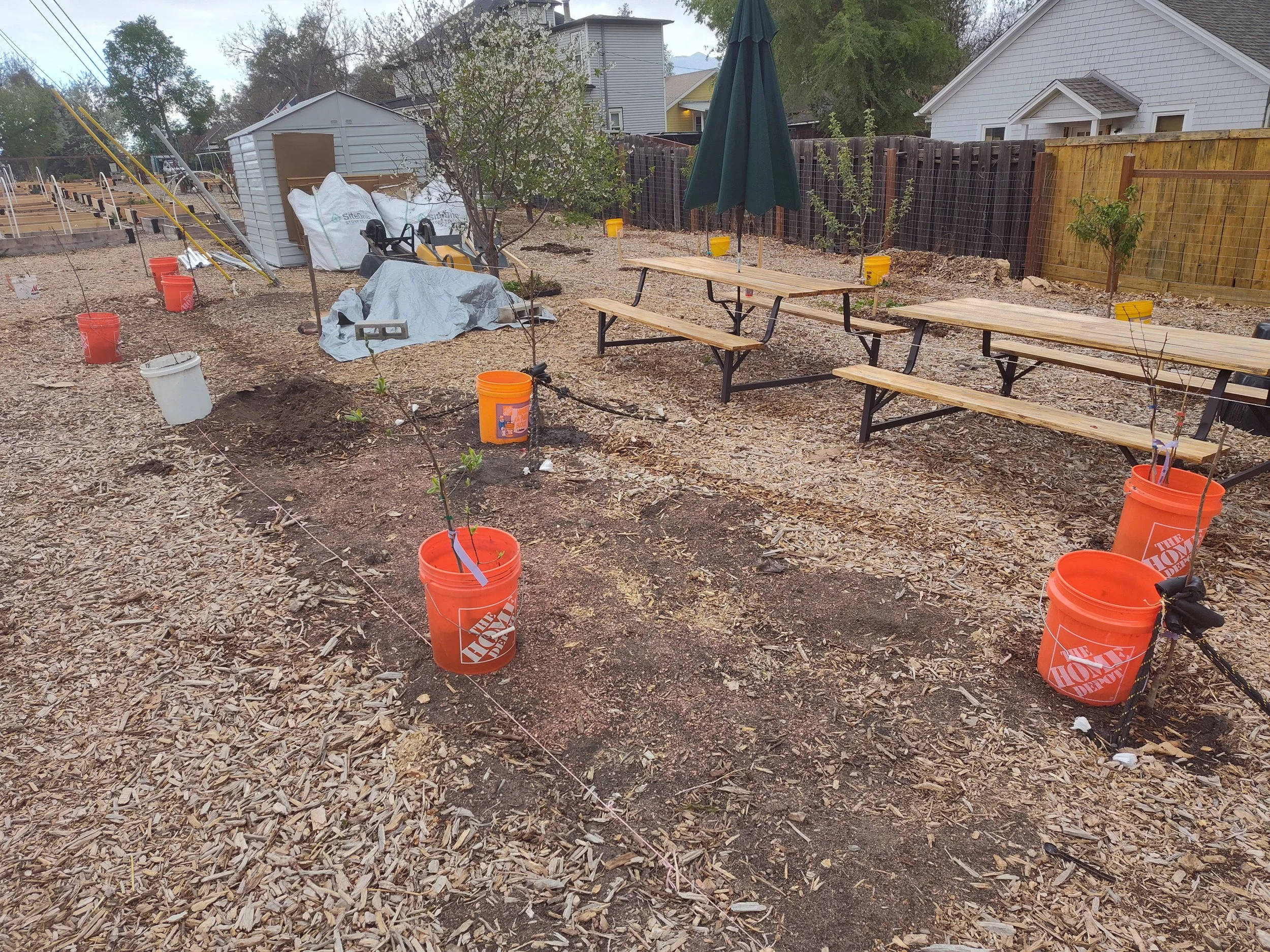
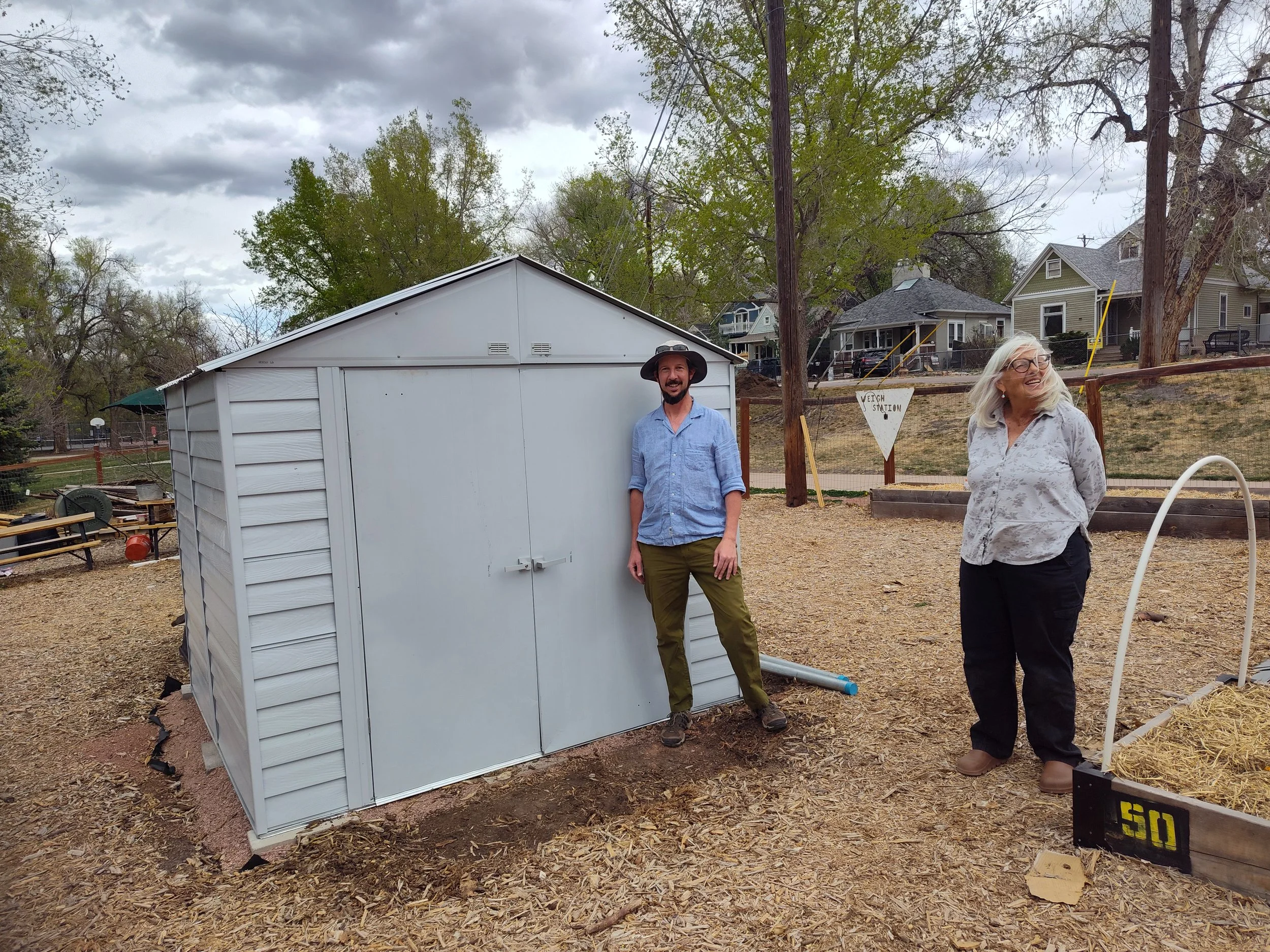
April marked a major step forward for our garden: one that reflects both how far we’ve come and where we’re headed. This year’s focus shifted from replacing aging infrastructure to bringing our food forest to life. We made that happen together. The core of the system is now in the ground, with a diverse mix of dwarf fruit trees and berrying shrubs taking root: arctic kiwi, serviceberry, medlar, honeyberry, apricot, plum, and persimmon. What was once a vision is now something you can walk through, tend, and watch grow.
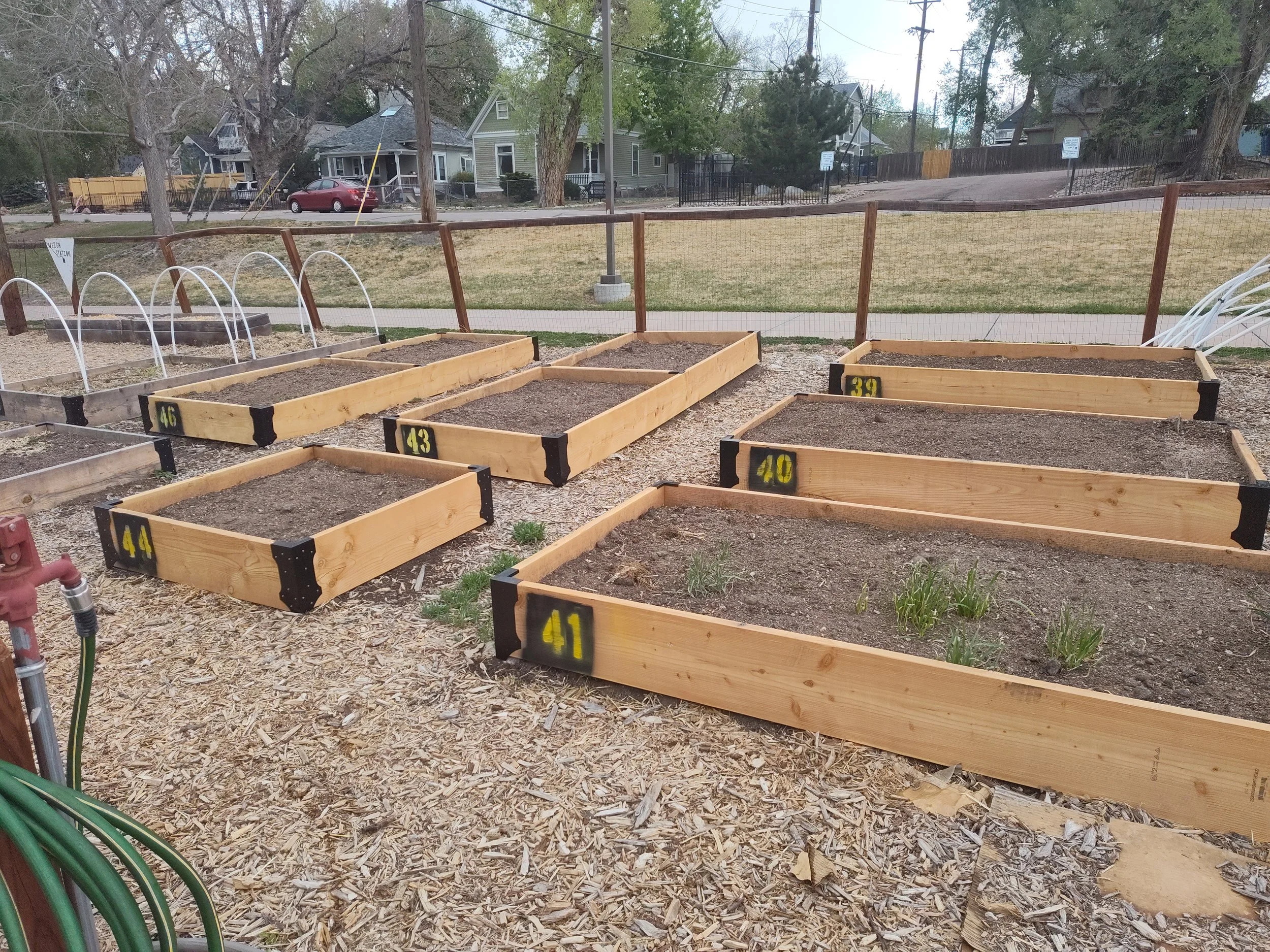
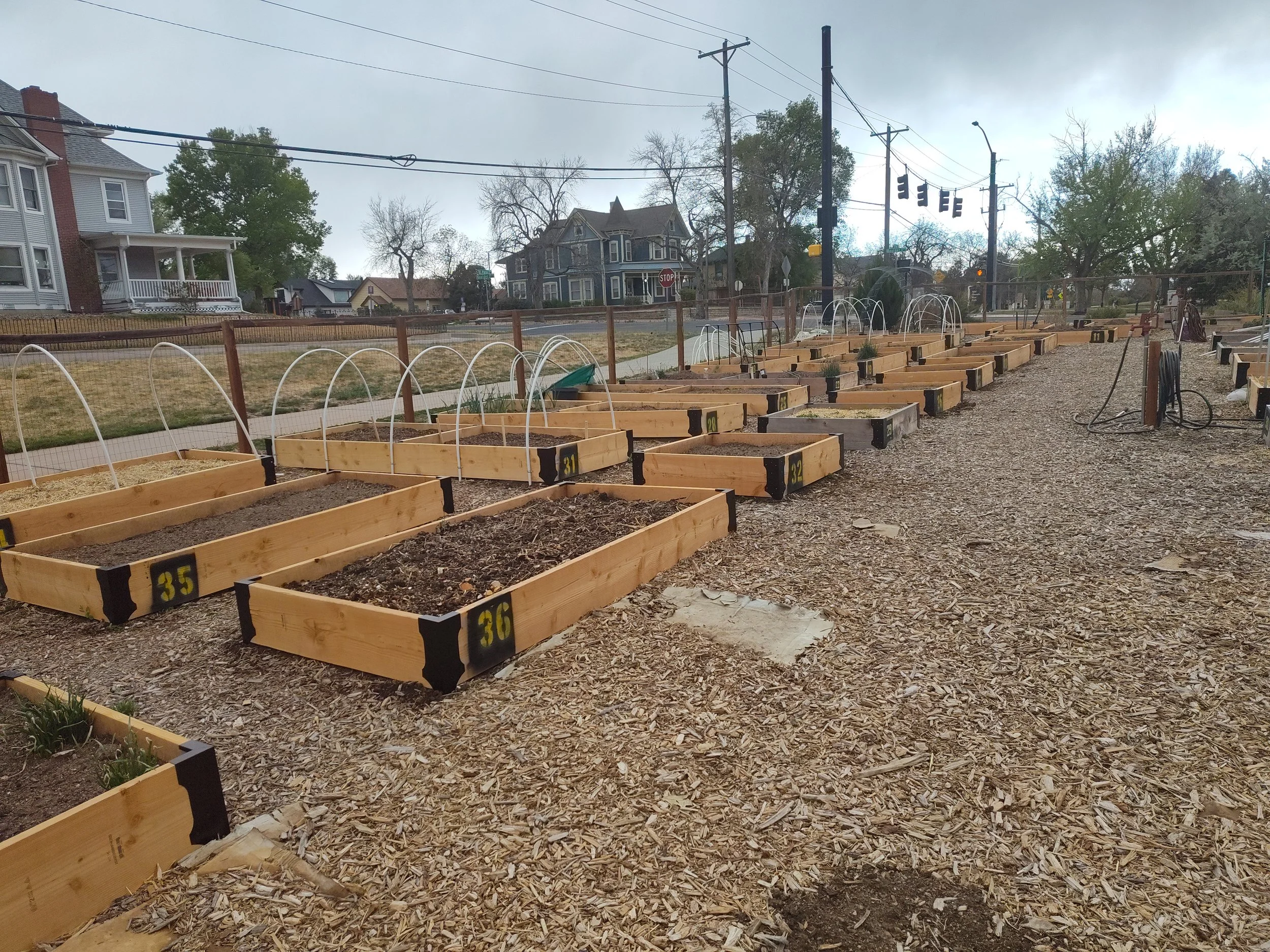
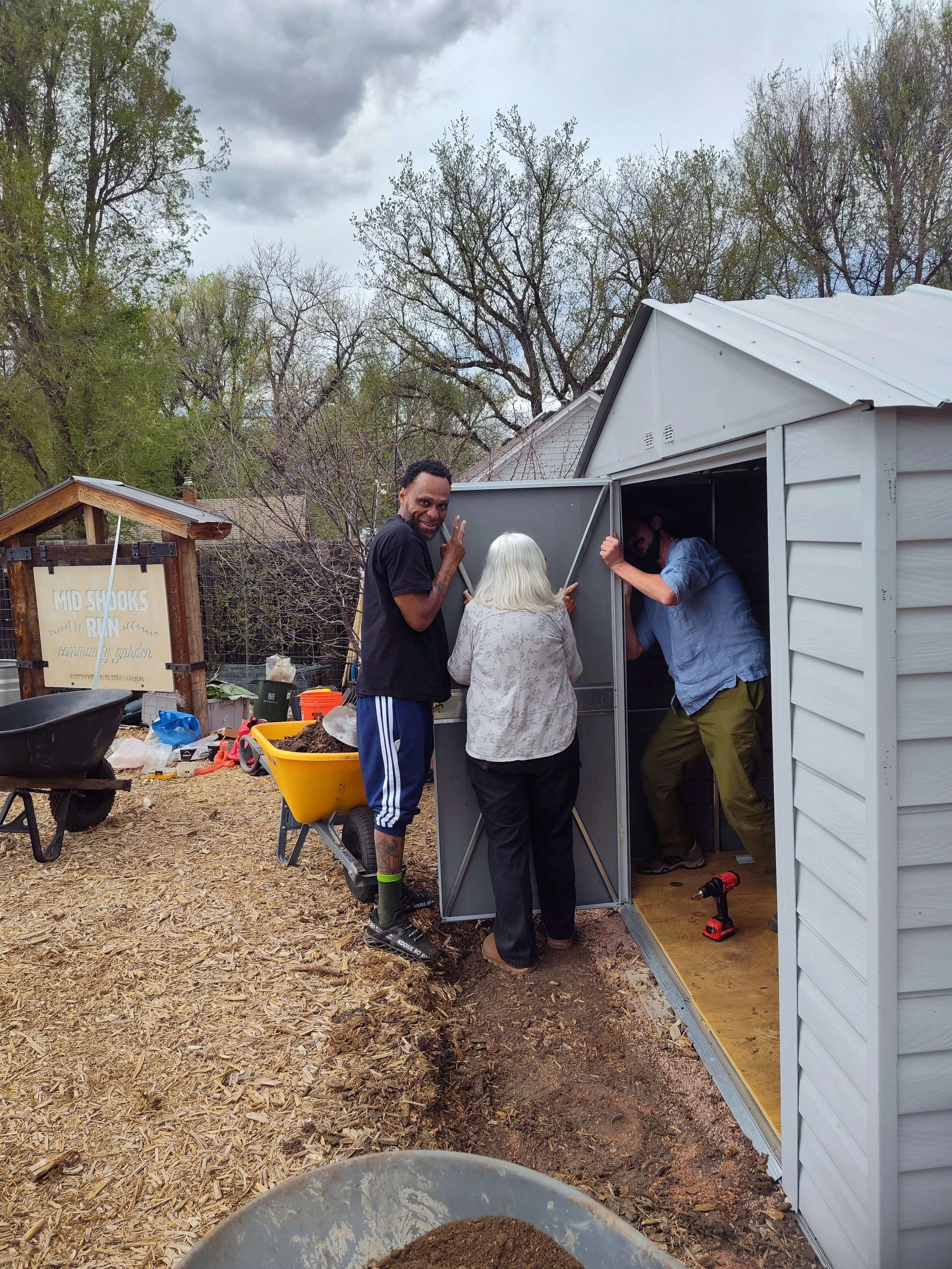
This kind of progress takes more than a plan. Volunteers must show up, get their hands dirty, and see it through. Whether you helped with planting, soil prep, coordination, or simply kept things moving behind the scenes, your effort made this milestone possible. A special thank you to the Fountain Lowe’s for donating the lumber used to build our 4' x 12' beds, and to the El Pomar Foundation for supporting this work through their grant to help build out the food forest.
Finishing touches a planned for the coming months, including adding a couple of pear varieties, installing trellises, planting vines, and peppering in other perennials. It’s exciting to see it take shape!
May Announcements
May Events

Great American Cleanup, Shooks Run Creek
Saturday, May 2, 2026
10:00 AM - 12:00 PM
NOTE CHANGE OF LOCATION
John “Prairie Dog” O’Byrne Park
505 E Bijou Street.
Talks and Tastings: Cathy’s Tips for a Successful Vegetable and Herb Garden
Sunday, May 17, 2026
1:00 PM - 3:00 PM
220 E Washington St
Colorado Springs, CO 80907
Cathy Clarke is our featured speaker
May Monthly Maintenance
Saturday, May 30th, 2026
9:30 AM - 1:30 PM
Mid Shooks Run Community Garden
NW corner of N El Paso St & E Boulder St, Colorado Springs, CO 80903
Water Schedule
We are pleased to announce that our partners at the Colorado Springs Department of Parks, Recreation & Cultural Services turned on the water to the community garden. Happy gardening!
Produce In Season at Mid Shooks Run Community Garden
Members of Mid Shooks Run Community Garden are welcome to enjoy the fresh produce available in the perennial bed system, located along the south and west fence line. This space is designed for shared cultivation, allowing everyone to harvest fruits, vegetables, and herbs as they ripen. Please remember to be mindful of others by taking only what you need and leaving some for fellow members. Regularly check the beds to see what’s in season and happy harvesting!

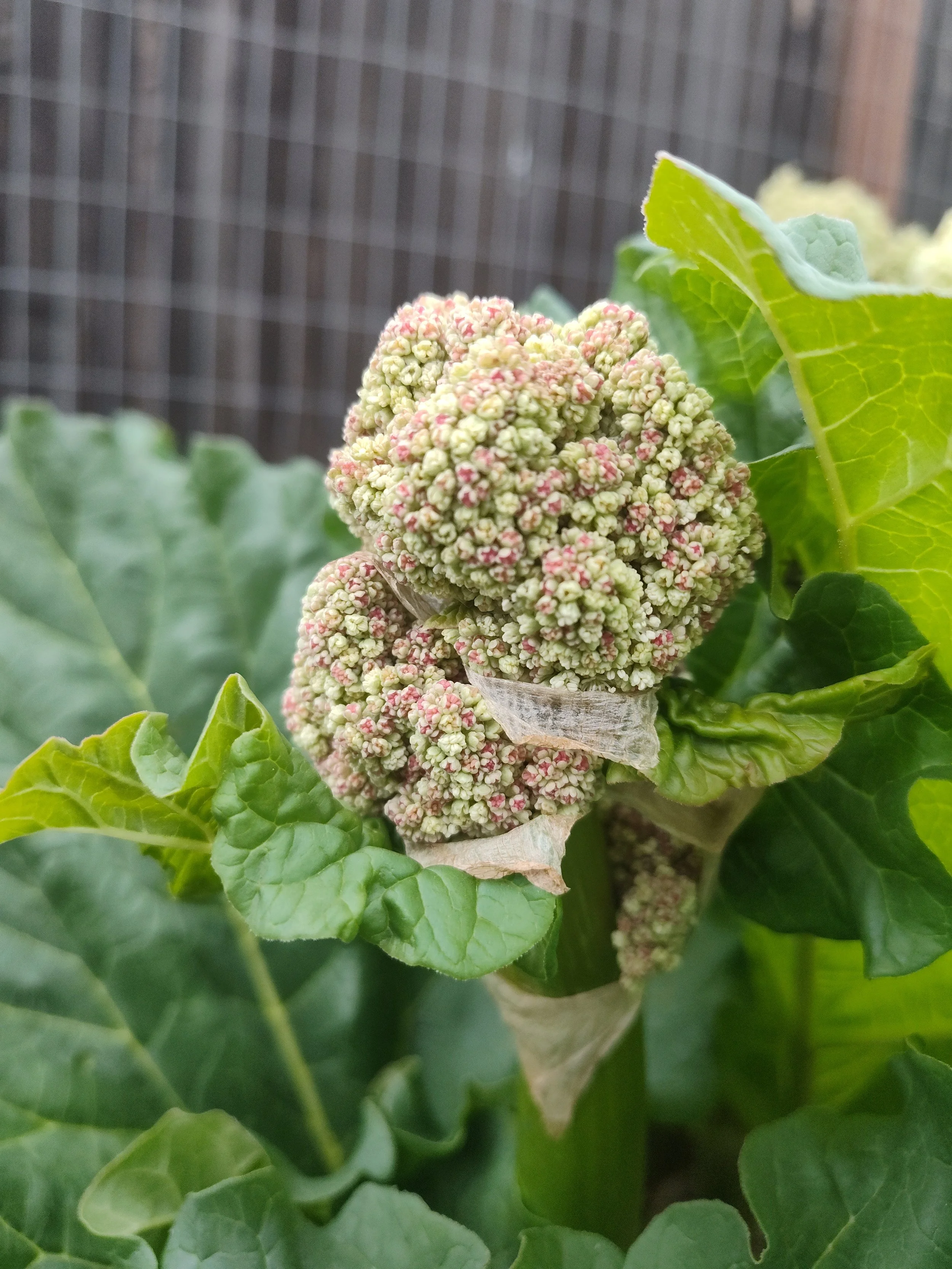
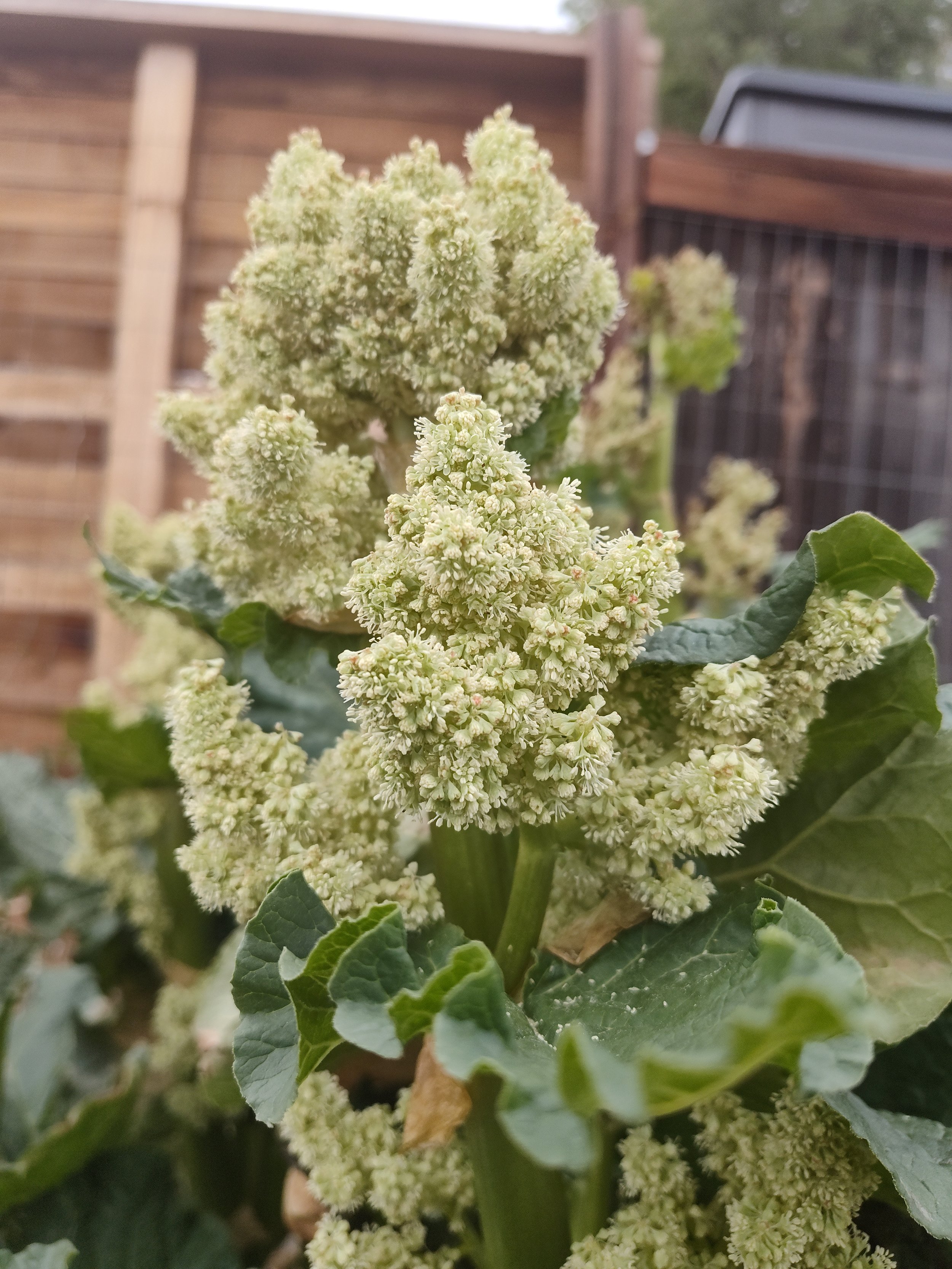
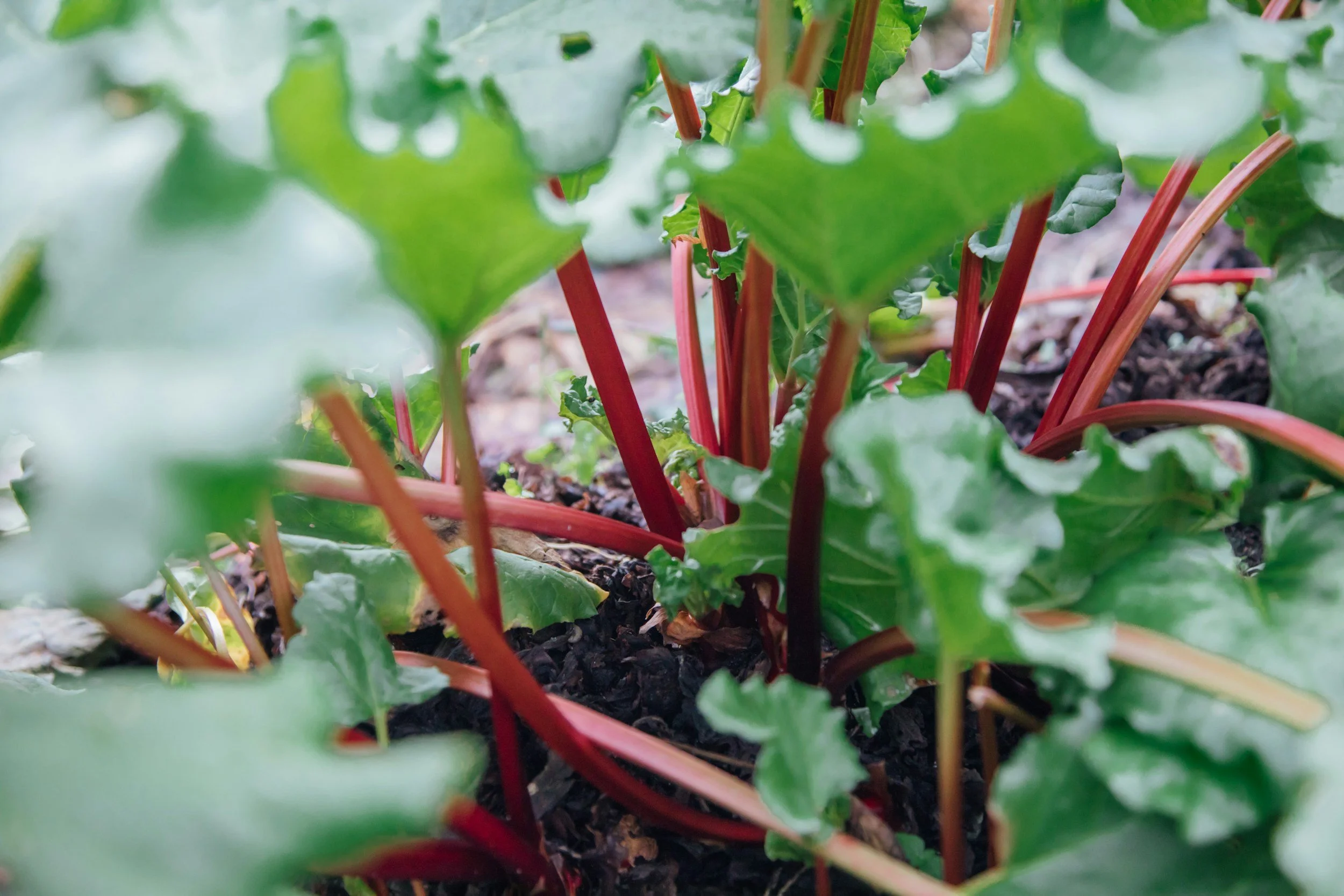
Rhubarb!
Rhubarb will be in season at the community garden this month, particularly flourishing along the west perennial bed. To ensure the best flavor and tenderness:
Harvest rhubarb when the stalks reach a height of at least 12 inches and are firm to the touch.
Gently grasp the stalk near the base and twist it while pulling upward to avoid damaging the plant.
Leave some stalks on the plant to encourage continued growth throughout the season.
Always remember to discard the leaves - they are toxic if eaten.

Walking Onions!
Walking Onions are currently in season in the west perennial bed of our community garden. These resilient plants provide something tasty throughout the year, but the spring months are especially favorable for harvesting greens.
When picking walking onion greens, use scissors or a sharp knife to snip the outer leaves, allowing the inner leaves to continue growing.
Aim to harvest only a third of the plant at a time to ensure sustained growth and vitality.
Use the leaves in recipes that call for green onions, such as salads, soups, or as a garnish to elevate your meal.
Welcome our Newest Additions to Our Planned Food Forest
The next installment of our food forest project has arrived at the community garden. Each variety was carefully selected for cold-hardiness, compactness, versatility, and disease resistance. In addition, we wanted to provide variety and staggered harvest times while promoting cross-pollination. They’re only a few feet high this year and we won't see fruit from these trees for a couple seasons. Embrace the essence of gardening: patience and long-term reward!
Here’s some info on the varieties selected:
Breda Giant Medlar (Mespilus germanica)
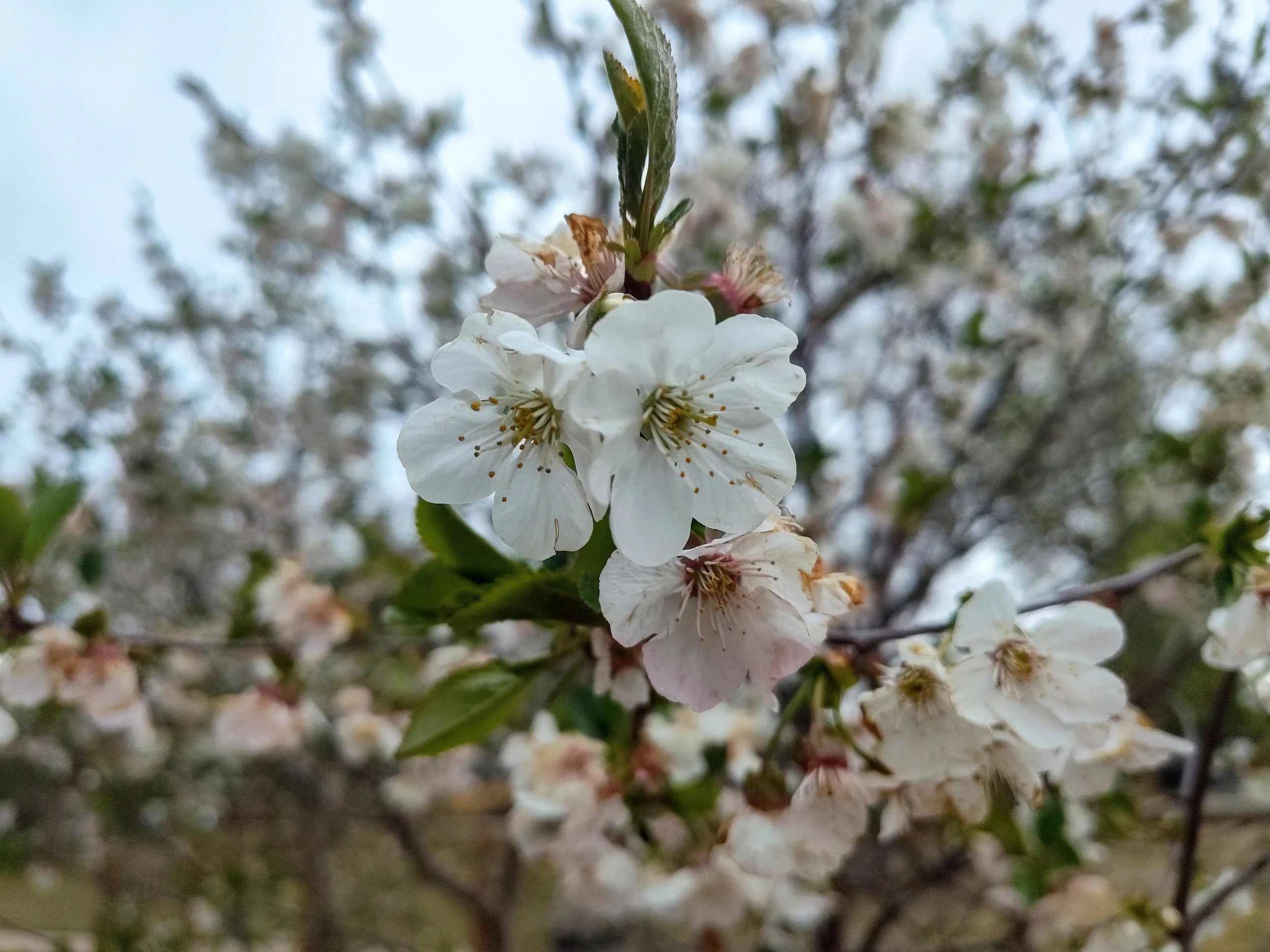
The Breda Giant medlar produces large, russeted fruits with a rich, spiced flavor that develops after bletting, a softening process that transforms the fruit into a custard-like texture. Often compared to applesauce with notes of cinnamon and wine, medlars are prized for preserves, desserts, and traditional European recipes. This historic fruit tree is as ornamental as it is productive, with beautiful blossoms and strong cold hardiness.Royal Medlar (Mespilus germanica)
Royal medlar is a classic variety known for its dependable yields and deeply flavorful fruit. Once bletted, the flesh becomes soft and sweet with hints of apple butter, dates, and spice. It’s especially well-suited for jams, jellies, and baking, and has a long history in traditional orchards. Its compact size and resilience make it a great fit for a diverse food forest.Hollywood Plum (Prunus salicina x Prunus cerasifera)
The Hollywood plum stands out with its striking deep red flesh and rich, sweet flavor balanced by a hint of tartness. Juicy and aromatic, it’s excellent for fresh eating, preserves, and sauces, and brings vibrant color to any dish. This variety is also valued for its ornamental beauty, with showy spring blossoms and attractive foliage.Harcot Apricot (Armeniaca vulgaris)
Harcot apricot is a cold-hardy variety known for its reliable production and bright, sweet flavor. The fruit is firm yet juicy, making it ideal for fresh eating, drying, canning, and baking. With good resistance to late frosts compared to other apricots, Harcot is a self-fertile, dependable choice for climates with unpredictable springs.Regent Serviceberry (Amelanchier alnifolia)
Regent serviceberry produces small, blueberry-like fruits that are sweet, mild, and packed with nutrients. The berries are excellent for fresh eating, baking, and jams, and are a favorite among both people and pollinators. This compact shrub also offers multi-season interest, with white spring flowers and vibrant fall color.Smokey Serviceberry (Amelanchier alnifolia)
Smokey serviceberry is known for its larger, juicy berries and consistently high yields. The fruit has a rich, sweet flavor with a hint of almond, making it perfect for pies, preserves, and snacking straight off the bush. This hardy, adaptable shrub thrives in a range of conditions and supports local wildlife.Nikita’s Gift Persimmon (Diospyros kaki x virginiana)
Nikita’s Gift is a hybrid persimmon that combines the large, flavorful fruit of Asian varieties with the cold hardiness of American types. The deep orange fruit is sweet, smooth, and slightly tangy when fully ripe, often enjoyed fresh or in baked goods and desserts. This variety is both productive without a separate pollinator and well-suited to colder climates.Arctic Beauty Kiwi ‘Sentyabraskaya’ (A. kolomikta, female) and Male Pollinator
Arctic Beauty kiwi produces small, smooth-skinned fruits that are sweet, aromatic, and ready to eat whole. The female ‘Sentyabraskaya’ variety is paired with a male pollinator to ensure fruit production. In addition to its tasty harvest, this vine is prized for its striking variegated foliage, making it both an edible and ornamental standout in the food forest.Boreal Beauty Honeyberry (Lonicera caerulea)
Boreal Beauty honeyberry produces elongated blue fruits with a rich, sweet-tart flavor often compared to blueberries with hints of raspberry. It ripens later than many honeyberries, extending the harvest season. The berries are excellent fresh or in jams, desserts, and smoothies.Beast Honeyberry (Lonicera caerulea)
The Beast honeyberry lives up to its name with vigorous growth and large, flavorful berries. Its fruit is sweet with a pleasant tang, making it great for fresh eating and processing alike. It pairs well with other Boreal varieties for cross-pollination and improved yields.Boreal Blizzard Honeyberry (Lonicera caerulea)
Boreal Blizzard is known for producing exceptionally large berries with a juicy, mild, and slightly sweet flavor. Its fruit size and productivity make it a standout for both home growers and larger harvests. It ripens mid-to-late season and pairs well with other honeyberries.Honey Bee Honeyberry (Haskap) (Lonicera caerulea)
Honey Bee is a reliable pollinator variety that also produces abundant crops of small, tangy-sweet berries. It’s especially valued for boosting yields in nearby honeyberry plantings while offering its own flavorful harvest. The berries are great for fresh eating and preserves.Aurora Honeyberry (Lonicera caerulea)
Aurora honeyberry is widely regarded for its excellent flavor, producing large, firm berries that are sweet with a balanced tang. It ripens later than many varieties, helping to extend the season. Its high-quality fruit makes it ideal for fresh eating as well as culinary uses.
What We Owe Each Other
This garden is more than a collection of plots. It’s a shared commitment to something bigger than any one of us. We are building a space rooted in respect, generosity, and care for both the land and each other.
What we grow here isn’t just produce. It’s trust, connection, and a sense of belonging. That doesn’t happen by accident. It comes from choosing - again and again - to treat one another with kindness, patience, and respect.
As the season gets underway, let’s be intentional about the kind of community we’re cultivating. Offer help when you can. Assume good intentions. Take the extra moment to listen. These small choices are what make this garden not just productive, but deeply welcoming and resilient.